Building robust web applications demands foresight, especially when framework roadmaps evolve rapidly. With Next.js 14 firmly established and the hypothetical Next.js 2026 on the horizon, developers, founders, and CTOs face a critical decision: solidify on current stable releases or anticipate future advancements. This article explores the nuanced trade-offs, helping you choose the optimal production framework for your next project.
TL;DR
- Next.js 14 (App Router Stable): Leverages React Server Components (RSC) and Server Actions for a more integrated server-client model. Mature ecosystem, predictable performance.
- Next.js 2026 (Hypothetical): Likely to feature deeper integration with React Forget, first-party compiler optimizations, and potentially a more opinionated edge-native architecture. Expect improved DX and runtime performance.
- Key Decision Point: Stability and immediate shipping versus bleeding-edge performance and developer experience improvements.
- Recommendation: For most immediate production needs, Next.js 14 offers a solid, performant foundation. For greenfield projects with long-term vision and resources for early adoption, anticipating future patterns can be beneficial.
Architectural Evolution: From 14 to 2026
Next.js 14 solidified the App Router, making React Server Components (RSCs) and Server Actions a production-ready reality. This shift marked a significant departure from the Pages Router, emphasizing server-first rendering and data fetching directly within components. The goal was to reduce client-side JavaScript, improve initial load times, and simplify data flow.
Looking ahead to a hypothetical Next.js 2026, we can expect Vercel to continue refining this architecture. Potential developments include even tighter integration with React's core advancements like React Forget (a compiler for automatic memoization) and continued focus on edge deployments. The framework might offer more opinionated solutions for data caching, revalidation, and state management across the server/client boundary, further optimizing for global scale and performance metrics like Core Web Vitals.
React Server Components and Data Fetching
In Next.js 14, RSCs allow you to fetch data directly in your components, reducing the need for client-side data fetching libraries in many scenarios. For instance:
// app/dashboard/page.tsx

import { getUserData } from '@/lib/api'; // Server-side data fetching

export default async function DashboardPage() {
  const userData = await getUserData(); // This runs on the server

  return (
    <div className="container">
      <h1>Welcome, {userData.name}</h1>
      <p>Your balance: {userData.balance.toFixed(2)} USD</p>
      {/*Further client components can be imported and rendered here*/}
    </div>
  );
}
By 2026, this pattern might be even more streamlined, with built-in cache invalidation strategies and potentially integrated database query builders that leverage server capabilities more efficiently. Imagine a scenario where your getUserData automatically revalidates based on real-time database changes without explicit revalidatePath calls, offering near real-time data consistency with minimal developer overhead.
Performance and Optimization
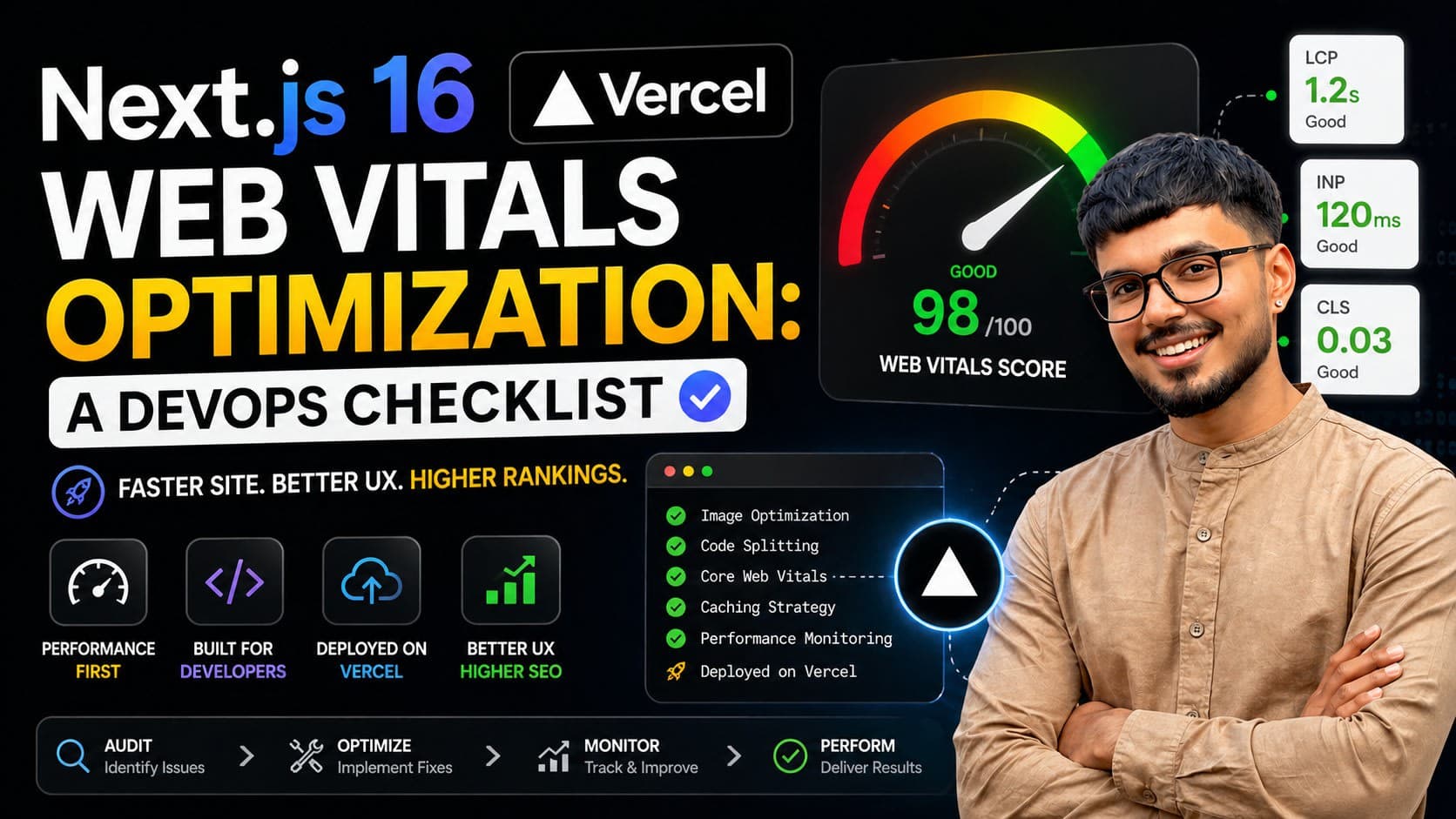
Next.js 14, with its App Router, already delivers significant performance gains by minimizing client-side JavaScript bundles and enabling streaming HTML. This translates to faster Time To First Byte (TTFB) and improved Largest Contentful Paint (LCP), critical for SEO and user experience.
Next.js 2026 will likely push these boundaries further. React Forget promises to eliminate manual memoization (useMemo, useCallback, React.memo), leading to smaller bundles and faster runtime execution by default. This automatic optimization could mean developers spend less time micro-optimizing their components and more time building features. Furthermore, enhanced compiler optimizations within Next.js itself could target specific patterns for even greater efficiency, especially for deployments on Vercel's edge network.
Anticipated Performance Improvements
| Feature/Metric | Next.js 14 (App Router) | Next.js 2026 (Hypothetical) | Impact |
|---|---|---|---|
| Bundle Size | Minimized via RSCs, manual memoization | Further reduced via React Forget, advanced tree-shaking | Faster initial loads, improved LCP |
| Runtime Perf. | Good, relies on developer optimization | Excellent, automatic memoization, compiler optimizations | Smoother interactions, less jank, better user experience |
| Server Latency | Optimized via Server Actions, edge functions | Potentially lower with tighter edge integration, better caching | Quicker responses for global users |
| Developer DX | Good, learning curve for RSCs | Excellent, less manual optimization, clearer data flow | Faster development cycles, fewer bugs related to re-renders |
| Caching | fetch caching, revalidatePath | More intelligent, possibly automatic, distributed caching | More up-to-date data, reduced database load |
Developer Experience and Tooling
Next.js 14 offers a robust developer experience (DX) with features like Fast Refresh, integrated ESLint, and TypeScript support. The mental model shift to RSCs can be a learning curve, but once understood, it simplifies many aspects of web development, especially data management.
For Next.js 2026, the DX could be profoundly impacted by React Forget. Imagine writing highly performant React code without ever thinking about useMemo or useCallback. This would free up significant cognitive load. Additionally, Vercel might introduce more opinionated tools for testing, monitoring, and deploying Next.js applications, further streamlining the development pipeline. As a full-stack engineer, I've seen firsthand how developer productivity directly impacts project timelines and overall budget, whether for a startup in Toronto or an enterprise client in London.
Security and Maintainability
Both Next.js 14 and its future iterations benefit from Vercel's strong focus on security. Server Actions, for example, encourage a more secure pattern for handling mutations by keeping sensitive logic on the server. Proper input validation and authorization remain critical, regardless of the Next.js version.
For maintainability, Next.js 14's App Router structure promotes a clear separation of concerns. Future versions will likely continue this trend. Automatic optimizations from React Forget could paradoxically make code more maintainable, as developers won't need to clutter their components with performance-specific hooks, leading to cleaner, more readable codebases. For projects with a long lifespan, like a core banking application or a large e-commerce platform handling millions of INR in transactions, maintainability is paramount.
When to Choose Next.js 14 Today
- Existing Projects: If you have an existing Next.js (Pages Router) application, migrating to Next.js 14's App Router is a significant undertaking but offers a clear path to modern best practices. Starting a new project on 14 provides immediate access to stable, production-ready RSCs.
- Predictable Performance: You need stable, well-understood performance characteristics today. The optimizations in Next.js 14 are proven and widely adopted.
- Team Familiarity: Your team is already familiar with Next.js 13/14 patterns, or you prioritize a stable learning curve over adopting bleeding-edge features.
- Budget & Timeline: You have a fixed budget (e.g., 50,000 CAD or 40,000 GBP) and a tight deadline to ship. Next.js 14 offers predictability.
Anticipating Next.js 2026: A Strategic Bet
- Greenfield Projects with Long-Term Vision: If you're starting a brand-new project with a multi-year roadmap and have the resources to adapt to evolving patterns, designing with future architectural shifts in mind (e.g., strong RSC adoption, considering serverless paradigms) can pay off.
- Extreme Performance Needs: For applications where every millisecond counts, and you're willing to be an early adopter of new optimization techniques, keeping an eye on React Forget and future Next.js compilers is wise.
- Experimental & R&D: For internal R&D projects or proofs-of-concept, experimenting with pre-release versions or anticipating future patterns can provide a competitive edge.
FAQ
Q: Will Next.js 14 projects be compatible with Next.js 2026?
A: Vercel has a strong track record of providing clear migration paths. While breaking changes are possible, the core App Router and RSC patterns established in Next.js 14 are likely to form the foundation for future versions, making upgrades manageable.
Q: What's the biggest performance gain I can expect from future Next.js versions?
A: Automatic compiler optimizations like React Forget, combined with deeper integration with edge runtimes, are expected to provide the most significant performance gains, reducing client-side JavaScript and improving runtime efficiency without manual developer intervention.
Q: Should I wait for Next.js 2026 before starting my project?
A: For most projects, no. Next.js 14 is a mature, performant, and production-ready framework. Waiting for a hypothetical future release means delaying your product's launch. It's generally better to build on stable ground and strategically plan for future upgrades.
Q: How does this impact my hiring decisions for a Next.js team?
A: Focus on engineers proficient with the App Router, React Server Components, and Server Actions. These skills will remain highly relevant. Adaptability and a solid understanding of React fundamentals are more important than specific version numbers.
Final thoughts
The choice between Next.js 14 and anticipating a future Next.js 2026 isn't about right or wrong; it's about aligning your technology strategy with your project's goals, timeline, and risk tolerance. For immediate production needs and stable, high-performance applications, Next.js 14 is a robust and proven choice. For those with a long-term vision, a greenfield project, and the capacity to embrace emerging patterns, keeping a keen eye on Vercel's roadmap can position you for future success.
If you're building something similar and want a second pair of senior eyes to navigate these architectural decisions, get in touch. I've shipped complex Next.js projects for clients across various industries, from high-growth startups to established enterprises, and can help you make the right strategic moves. You can also explore some of my past work in my portfolio.