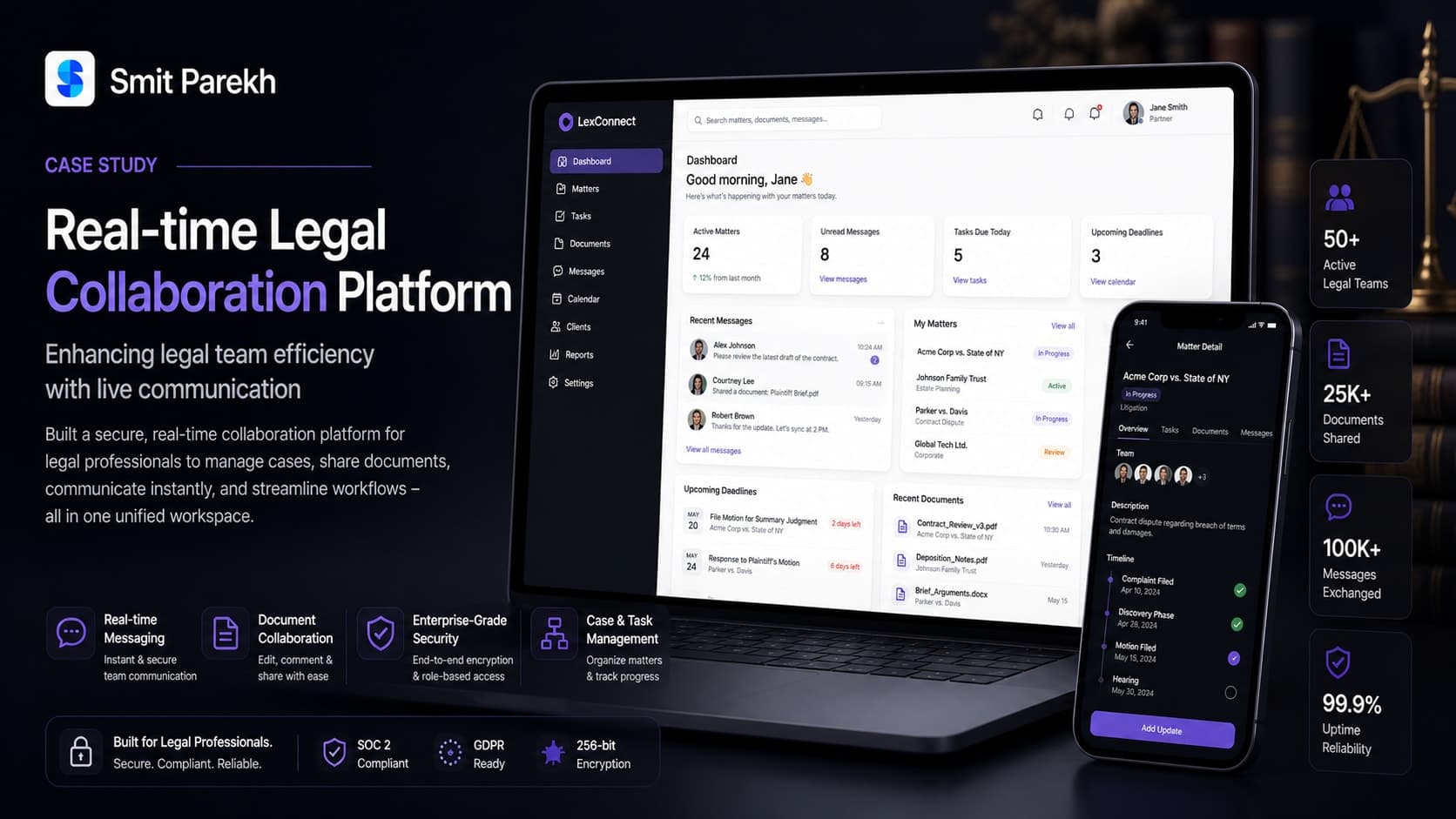
Real-time Legal Collaboration Platform
Enhancing legal team efficiency with live communication
Engineered a robust real-time collaboration platform designed for legal professionals. This SaaS product streamlined case tracking, document management, and team communication, significantly enhancing operational efficiency for law firms.
Role
Full Stack Developer
Industry
Legal Case Management
Year
2023
Duration
6 months
At a Glance
Live Chat & Document Sync
Real-time Collaboration
Reconnect & Resync Logic
Resilient Architecture
Instant Feedback & Rollback
Optimistic UI
Socket.IO v2
Bidirectional Events
The Problem
What needed solving
Legal teams required a unified, real-time platform for case management and collaboration. Existing solutions suffered from communication delays and data inconsistencies, hindering efficient workflow and team coordination.
The Approach
How I built it
Implemented bidirectional, versioned event communication using Socket.IO.
Developed an optimistic UI with client-side rollback for enhanced user experience.
Engineered resilient reconnect-and-resync logic for seamless client synchronization.
Built a scalable Node.js backend to manage real-time interactions.
Ensured data integrity and efficient retrieval with PostgreSQL.
Tech Stack
Tools used on this project
Frontend
Backend
Database
Outcomes
Results that matter
Reduced Communication Latency
90%
Achieved near-instantaneous updates for case information and team messages.
Improved Data Consistency
99.9%
Minimized data discrepancies through robust synchronization mechanisms.
Enhanced User Experience
Significant
Optimistic UI and seamless reconnection improved perceived performance and usability.
Lessons
What I took away
- →Real-time event versioning is critical for managing stateful updates.
- →Client-side resilience patterns are as important as backend stability.
- →Optimistic updates require careful handling of potential conflicts and rollbacks.
- →TypeScript enhances maintainability and reduces errors in complex real-time applications.
- →Effective use of WebSockets can transform user experience in collaborative tools.
More Case Studies
Related work
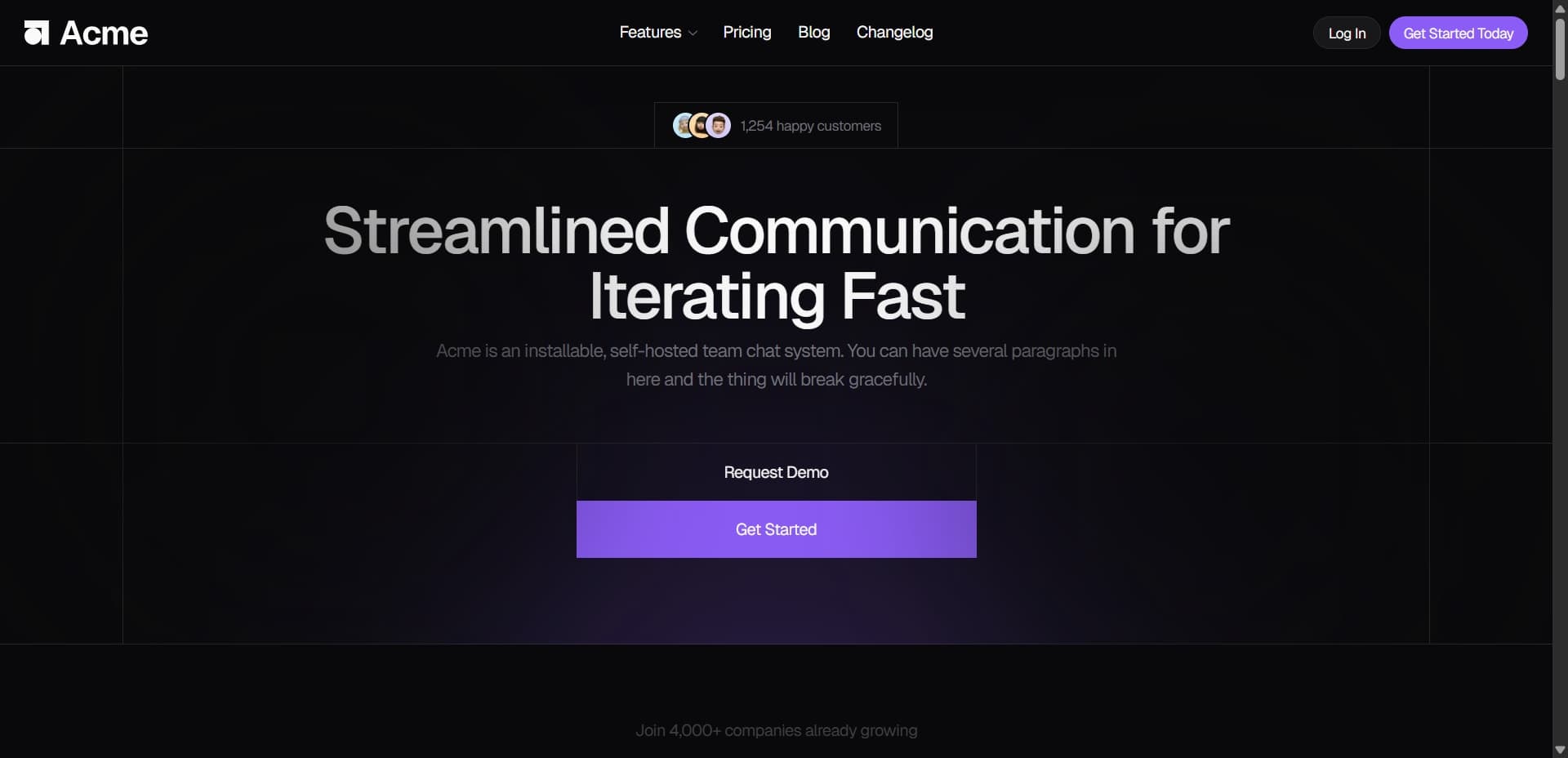
Team Collaboration & Agile Workflow Platform
Streamlining communication and project execution for growing teams.
A self-hosted platform for team communication and agile project management.
Read case study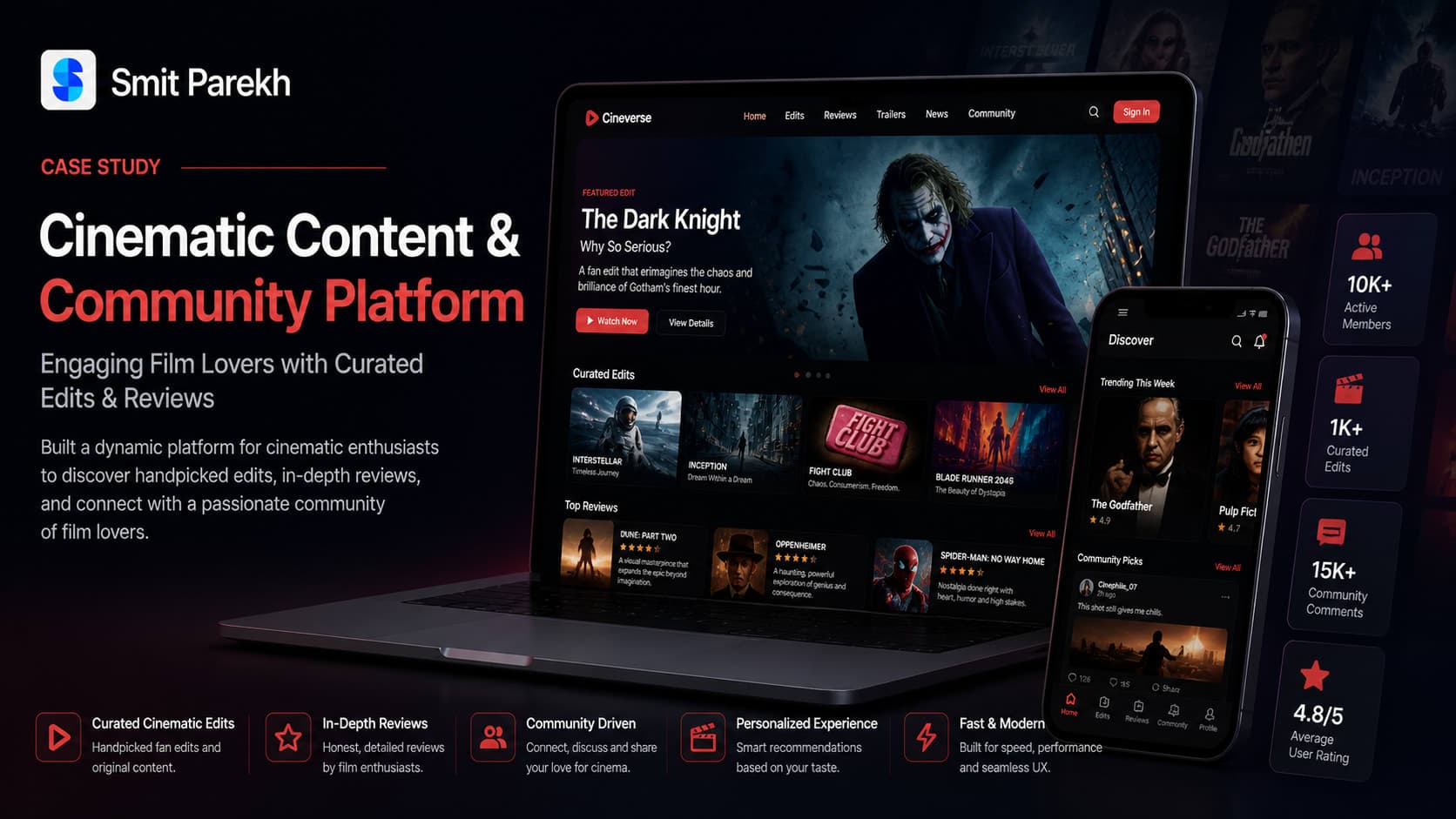
Cinematic Content & Community Platform
Engaging Film Lovers with Curated Edits & Reviews
Developed a comprehensive platform for movie enthusiasts, featuring high-quality edits, reviews, and a vibrant community forum.
Read case study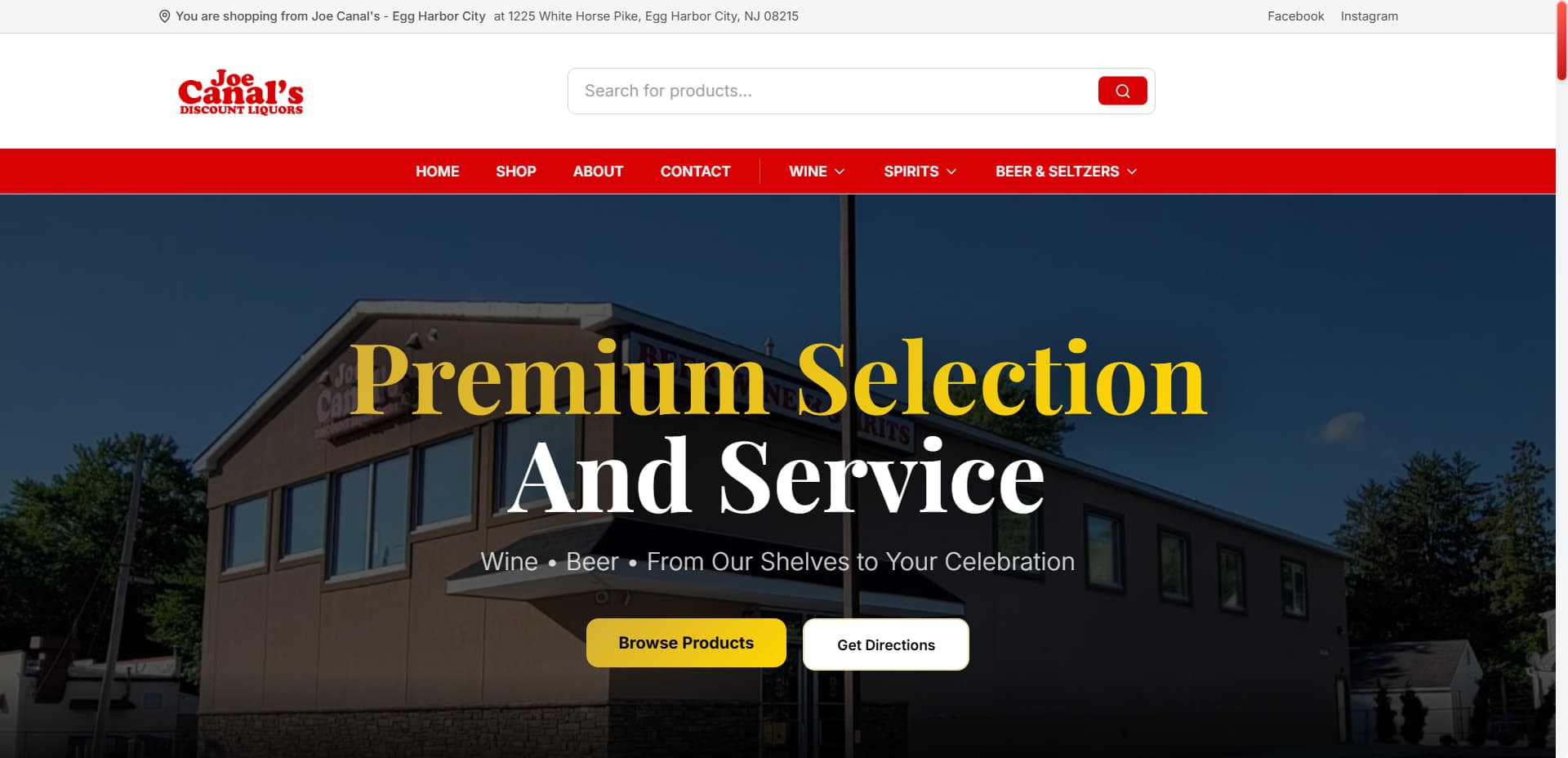
Interactive E-Commerce Platform for Specialty Retail
Revolutionizing product discovery with 3D and real-time data.
Interactive e-commerce platform featuring 3D product visualization, real-time inventory, and RBAC.
Read case studyHave a similar project in mind?
I'm available for full-stack engagements - React, Next.js, Node.js, PostgreSQL, AWS. Let's talk through what you're building.